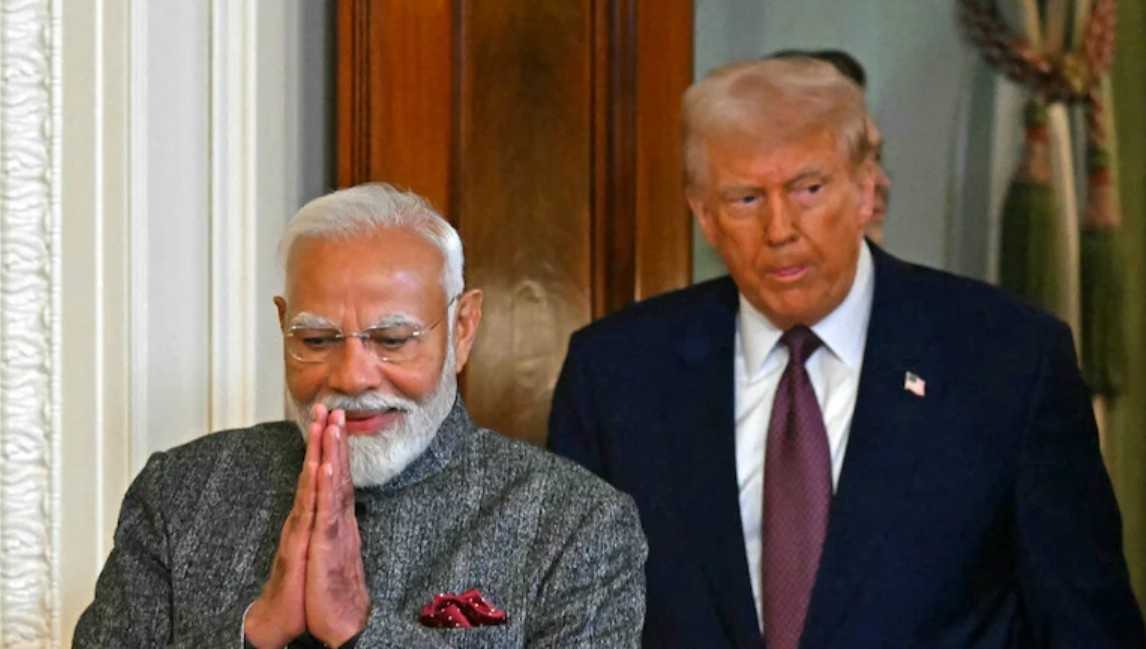
India and the United States have announced a historic interim trade agreement, which includes significant tariff reductions, expanded market access and commitments on buying each other’s goods — a deal Washington has also described as “historic” amid debates over zero tariff claims.
What the ‘Zero Tariff’ Claim Actually Means
After US President Donald Trump called the India–US trade pact a “zero tariff” deal, the White House released a fact sheet to explain the terms. The statement clarified that while tariff cuts are part of the framework, the agreement does not instantly eliminate tariffs across the board — instead it commits to structured tariff reductions and broader trade cooperation.
Key Terms of the Trade Deal
1. Tariff Reduction on US Industrial & Farm Goods
Under the framework:
- India will eliminate or reduce tariffs on a wide range of American manufactured, industrial and agricultural products, including items such as dried distillers’ grains (DDGs), tree nuts, pulses, soybean oil, wine and spirits.
- The tariff cuts span both industrial and food products, with phased approaches for sensitive categories.
- The US has agreed to reduce or eliminate retaliatory tariffs on Indian exports, lowering some duties to zero or reduced rates for textiles, gems and diamonds, aircraft parts and more.
2. Commitment to Buy US Goods
India has pledged to increase its purchases of American products, covering energy, information and communication technology, agricultural goods, coal and other sectors, with a commitment exceeding $500 billion in total purchases over time.
3. Addressing Non-Tariff Barriers
Both sides agreed to work on reducing non-tariff barriers that currently hinder trade, including regulatory, technical and conformity assessment obstacles.
4. Digital Trade and Customs Framework
India will remove its digital services tax and work with the US on bilateral digital trade rules, aiming to eliminate customs duties on certain electronic transmissions and clarify digital trade regulations.
5. Rules of Origin and Supply Chain Cooperation
The framework includes provisions to negotiate rules of origin that ensure agreed benefits accrue primarily to India and the US, while strengthening economic security alignment and supply chain resilience.
How Tariff Reductions Are Structured
Rather than an instant blanket removal of all duties, the deal provides:
- Reduced tariffs to 18% on many previously high-duty items, down from higher reciprocal rates that existed earlier.
- Zero additional duties on exports worth significant sums under specific provisions, including certain agricultural and industrial products.
- Protection for sensitive sectors. Some agricultural categories and goods with domestic vulnerabilities are handled through phased or quota-based cuts.
Reaction and Next Steps
The deal has drawn mixed responses:
- Government officials and industry groups see it as a boost to trade and export prospects, especially for sectors like pharmaceuticals, gems, textiles and food products.
- Some agricultural and farmer groups have raised concerns about competition from US agricultural imports, warning about impacts on local producers if protections are insufficient.
Negotiations continue as both countries work toward a finalised bilateral trade agreement that is expected to lock in these terms and expand cooperation in trade, technology and investment.
India and the US have described this interim pact as a major step toward deepening economic ties and expanding bilateral commerce, with tariff reductions and expanded market access set to reshape aspects of trade between the world’s two largest democracies.
Also Read : India to Buy 114 Rafale Fighter Jets From France in Biggest Defence Deal