As Bangladesh heads to a critical national election on February 12, the Bangladesh Nationalist Party (BNP) is signalling an unusual diplomatic stance — seeking a role for former prime minister Sheikh Hasina, while also promising improved ties with neighbouring India if it comes to power, according to its manifesto and political statements.
BNP’s Dual Approach Ahead of Vote
In an election that marks a major turning point after months of political upheaval, Bangladesh’s main opposition party, the Bangladesh Nationalist Party (BNP), led by Tarique Rahman, appears to be balancing two distinct messages:
- It has included language in its campaign pledges that suggests openness to restoring ties with India and addressing cross-border concerns.
- At the same time, party leaders have criticised the previous Sheikh Hasina government and questioned parts of its legacy.
This blend of messaging reflects the complex political and diplomatic landscape in Bangladesh as it prepares for an election that will shape the country’s direction for years to come.
Tarique Rahman and Party Vision
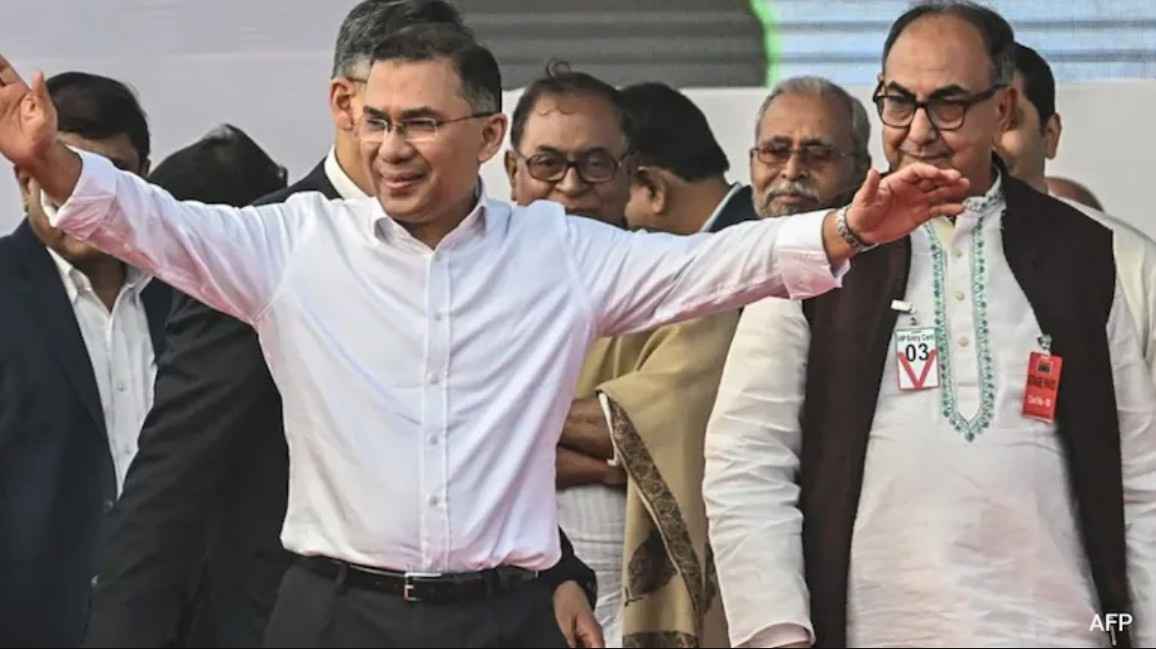
Tarique Rahman, who returned to Bangladesh after nearly two decades abroad and now heads the BNP, has positioned the party as a contender focused on economic growth and stability. The BNP manifesto stresses improving relations with neighbouring countries, including India, for mutual benefit.
Political analysts say Bangladesh needs friendly ties with all regional powers if it is to achieve political stability and economic progress after a period of turmoil.
Border and Diplomatic Issues
The BNP’s approach to India in its manifesto includes a focus on border issues. The party has pledged to address concerns such as border deaths and illegal crossings through diplomatic measures. These points signal that a future BNP government would seek a constructive relationship with India, albeit on terms that respect Bangladeshi interests.
Meanwhile, other BNP leaders have stated that if elected, the party will pursue fairness on shared resource issues — including water-sharing of rivers like the Teesta and Padma — in negotiations with India.
Legacy of Sheikh Hasina
The question of former prime minister Sheikh Hasina’s role in Bangladesh’s future remains a defining backdrop of the election. Hasina, a long-time leader before her government was ousted in 2024 amid mass protests, still holds significant political influence. Some within BNP circles have suggested that her return could be part of reconciling the nation’s political divisions, illustrating the party’s attempt to appear inclusive.
However, her legacy remains controversial. Critics within BNP and allied groups have accused her government of corruption and human rights abuses — claims the party has used as campaign points — even while signalling diplomatic continuity on regional ties, including with India.
Election Stakes and Regional Impact
The February 12 election is the first since the dramatic political change in Bangladesh in 2024. It will likely determine how Dhaka positions itself on the international stage, especially in relation to big neighbours like India and rising global powers with interests in South Asia.
A government that prioritises good relations with India could help stabilise bilateral cooperation on trade, security, water-sharing, and cross-border movement — all areas that have seen friction in recent years.
The Road Ahead
For Bangladesh, the election represents more than just a change of leadership — it is a test of whether the nation can balance internal reconciliation with strategic diplomacy. The BNP’s dual messaging of openness toward Hasina’s potential role and a commitment to strong ties with India reflects this delicate balancing act.