Same name, different dates: Why India celebrates on November 14 and the UN observes it on November 20
What Is Indian Children’s Day?
- In India, Children’s Day (Bal Diwas) is celebrated on 14 November every year.
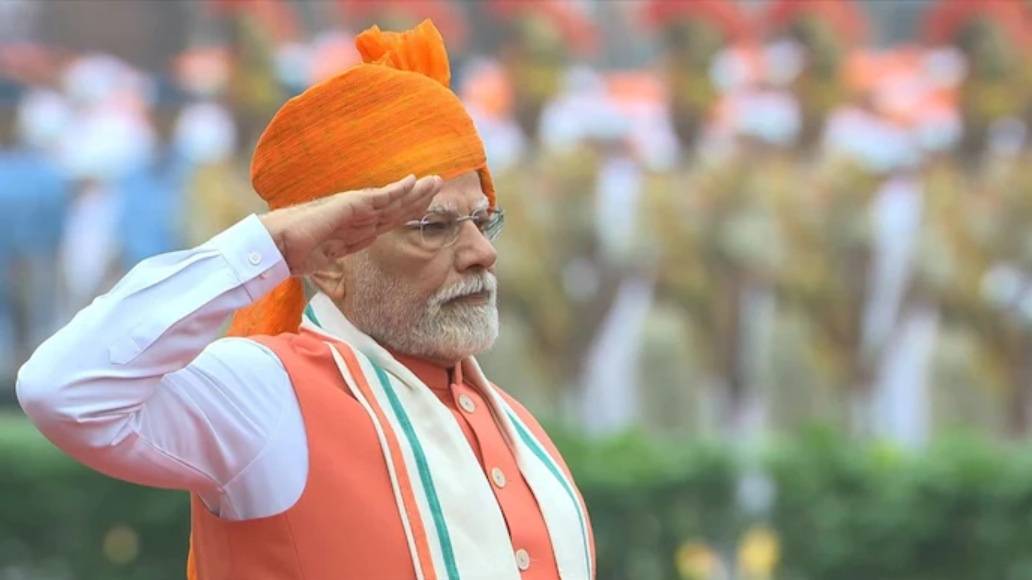
- The date marks the birth anniversary of Jawaharlal Nehru, India’s first Prime Minister, fondly called “Chacha Nehru” by children.
- After Nehru’s death in 1964, India’s Parliament passed a resolution to observe his birthday as Children’s Day, honoring his love for children and belief in their role in shaping the nation’s future.
- The holiday promotes children’s rights, education, welfare, and celebrates their innocence and potential.
What Is World Children’s Day?
- World Children’s Day, also called Universal Children’s Day, is observed by the United Nations on 20 November every year.
- The date recognizes two key UN documents: the Declaration of the Rights of the Child (1959) and the Convention on the Rights of the Child (1989).
- Its aim is to promote international togetherness, awareness of children’s rights, and improve children’s welfare globally.
Why They Fall on Different Dates
- India chose 14 November to honor Nehru’s birthday and his special connection with children.
- The UN observes 20 November to highlight global child rights and welfare.
- Both days celebrate children but stem from different origins and purposes: one national, the other global.
How India Celebrates
- Schools hold cultural programs, plays, storytelling, and competitions.
- NGOs and educational institutions highlight child welfare and rights.
- Nehru’s legacy is celebrated, and children are reminded of his affection for them.